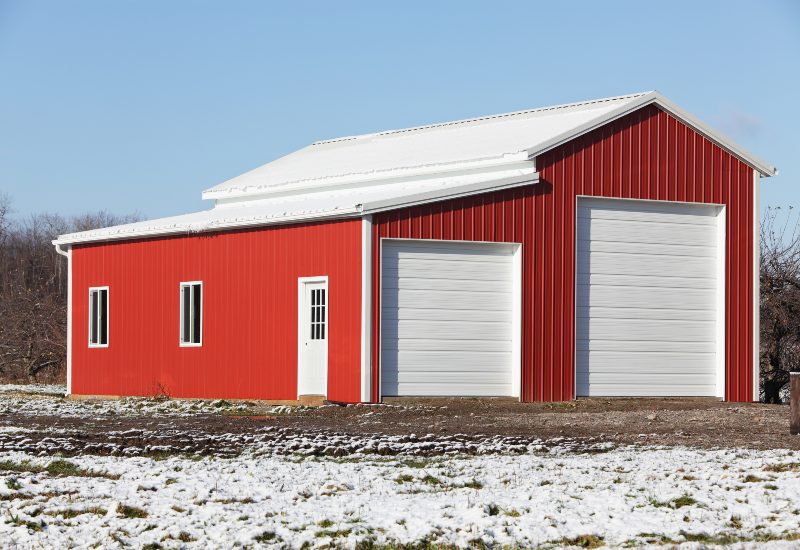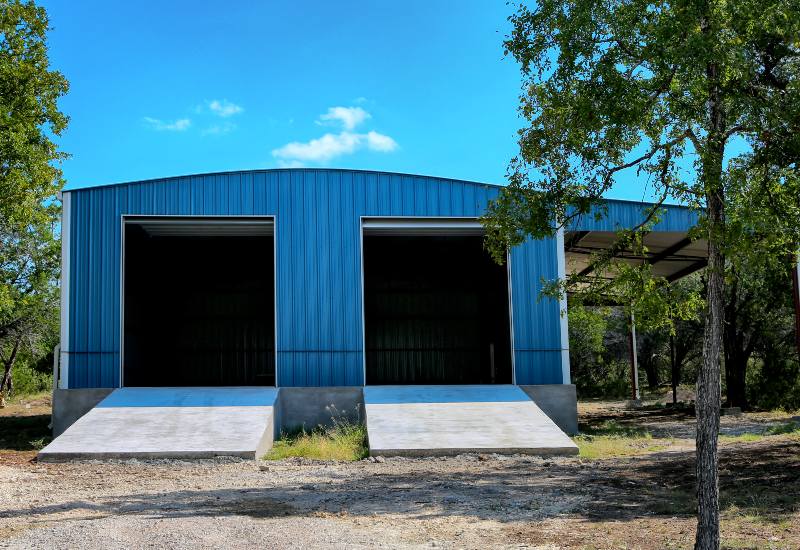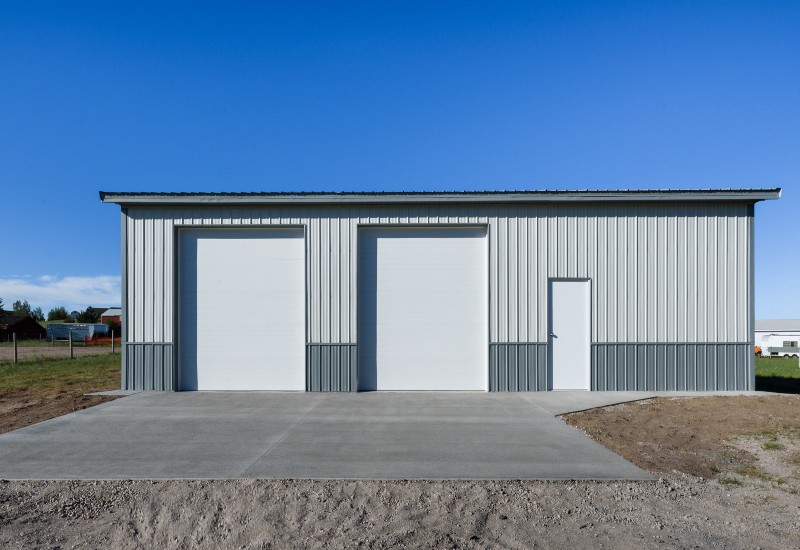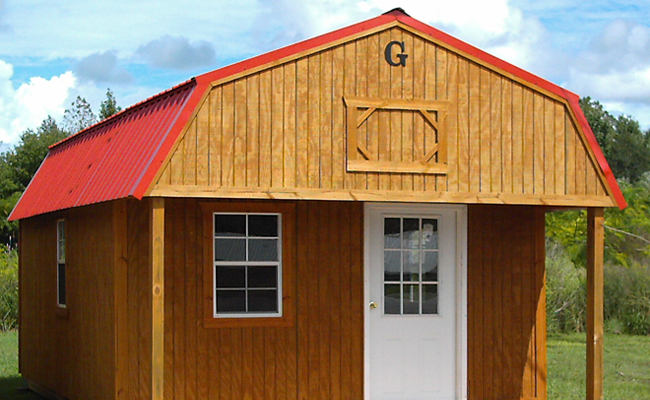
When Mother Nature throws her worst at us, not all buildings hold up the same way. Heavy snow, driving rain, high winds, and scorching heat can quickly expose the weaknesses of certain materials. That’s why more homeowners, farmers, and business owners are turning to metal buildings for harsh weather.
Engineered for strength and built with durable materials, metal buildings are designed to stand the test of time—and the test of tough climates. But when exactly are they the best choice? Let’s take a closer look at the weather challenges they’re built to handle.
Common Weather Challenges That Put Buildings to the Test
Different regions face different extremes, but they all have one thing in common: traditional structures often struggle to keep up.
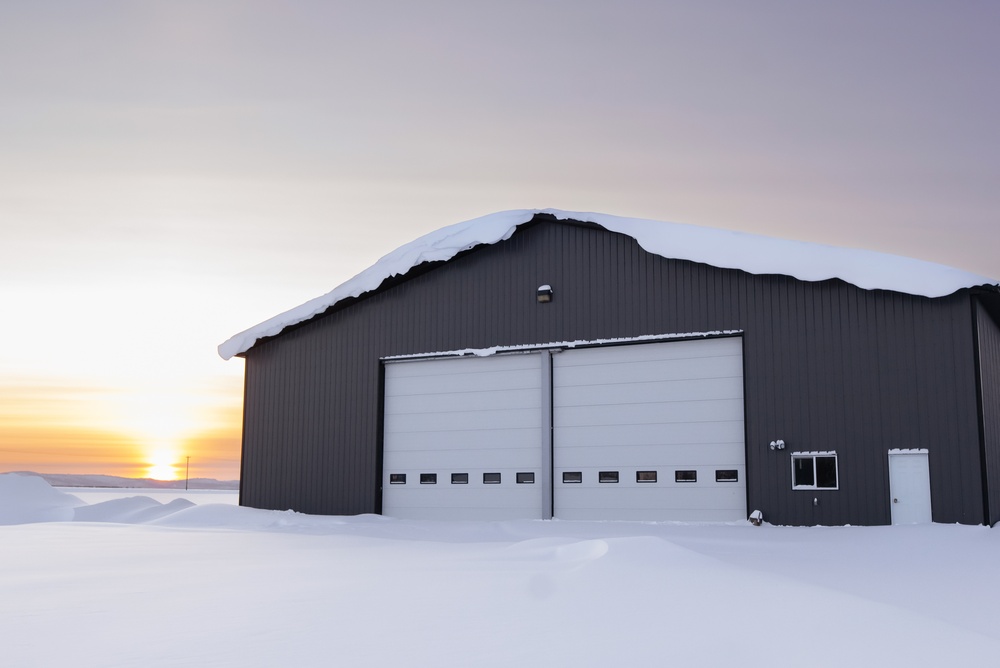
- Snow and Ice: Heavy snow loads can collapse weak roofs, and ice buildup may lead to warping or leaks.
- Strong Winds and Hurricanes: Gusts from hurricanes or severe storms can easily peel back shingles, snap wooden supports, or damage poorly reinforced structures.
- Torrential Rain: Excessive rain puts pressure on roofs and walls, leading to leaks, rot, and mold growth in wood-based buildings.
- Extreme Heat: Prolonged exposure to sun can dry out wood, warp plastics, and fade exterior finishes.
Each of these conditions requires a structure that can resist long-term wear while keeping its contents safe. This is where metal buildings excel.
How Metal Buildings Are Engineered for Durability
Modern metal buildings aren’t just simple sheet-metal sheds—they’re precision-engineered systems built to withstand punishing environments.
- Roof Pitch Design: Steeper roof pitches allow snow and rain to slide off instead of accumulating, reducing the risk of collapse.
- Reinforced Frames: Heavy-duty steel frames resist bending or twisting under pressure from high winds or shifting loads.
- Anchoring Systems: Secure anchoring helps keep the building grounded even during powerful storms.
By combining these design features, metal buildings provide confidence when unpredictable weather rolls through.
Materials That Make the Difference
What sets metal buildings apart isn’t just their design—it’s the quality of the materials.
- Galvanized Steel: Coated in zinc, galvanized steel resists rust and corrosion, even in humid or salty coastal areas.
- Protective Coatings: Many metal panels are finished with durable paint systems that reflect heat, resist fading, and protect against moisture.
- Insulation Options: Adding insulation can improve energy efficiency, keeping interiors cooler in summer and warmer in winter.
These materials create buildings that not only stand strong but also maintain their appearance and performance for decades.
Metal vs. Wood and Plastic: Which Performs Better in Harsh Conditions?
When stacked against wood or plastic, metal buildings offer clear advantages in harsh climates:
- Against Wood: Wooden buildings can rot, warp, or attract pests when exposed to moisture. Metal buildings don’t face these issues, making them lower-maintenance.
- Against Plastic or Resin: While lightweight and affordable, plastic structures often crack, fade, or collapse under heavy snow or strong winds. Metal structures hold firm.
- Long-Term Costs: Metal buildings may cost more upfront than some wood or plastic options, but they typically last longer and require fewer repairs, saving money in the long run.
In short, metal offers strength and reliability where other materials fall short.
Real-World Examples of Weather-Tested Metal Buildings
The durability of metal buildings isn’t just theoretical—it’s proven in real situations:
- Coastal Areas: In hurricane-prone Gulf Coast regions, reinforced metal carports and garages have withstood storms that caused significant damage to nearby wooden sheds.
- Snow-Belt States: Farmers in northern regions rely on metal barns with high roof pitches to shed snow and prevent dangerous buildup.
- Hot Southern Climates: In areas like Louisiana and Texas, metal buildings with reflective coatings help reduce interior heat while resisting sun damage.
These examples highlight why so many property owners trust metal when weather extremes are a part of daily life.
When to Choose a Metal Building
So, when is a metal building the right choice? The answer is simple: anytime your property faces unpredictable or extreme weather. Whether it’s protecting vehicles from hail, storing equipment in hurricane country, or keeping supplies safe in the snow belt, metal buildings for harsh weather provide peace of mind.
If you’re considering a new building and want a structure that lasts, choosing metal is one of the smartest long-term investments you can make.
Final Thoughts
Harsh weather doesn’t have to mean constant repairs or replacements. With their engineered designs, strong materials, and proven track record, metal buildings are built for reliability in tough climates. Compared to wood or plastic structures, they offer superior performance, lower maintenance, and long-lasting value.
When the next storm, snow, or heat wave rolls in, a metal building ensures your belongings are protected. If you’re ready to explore your options, contact Acadiana Discount Portable Buildings today to design the right solution for your property.